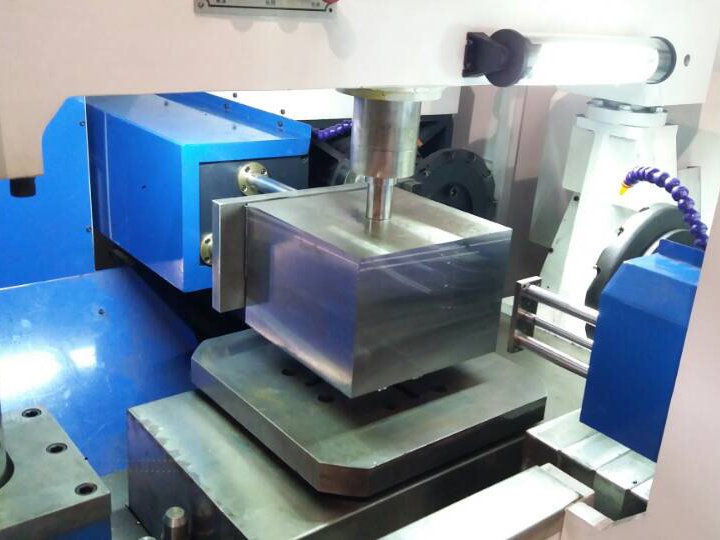
The landscape of manufacturing has irrevocably shifted. What was once a niche requirement for aerospace and high-end automotive has blossomed into a mainstream demand. Advanced aluminum alloys, celebrated for their strength-to-weight ratio and corrosion resistance, are now the backbone of everything from consumer electronics to sustainable energy solutions. This surge in demand means that businesses need to adapt, and quickly. The ability to precisely machine aluminum is no longer a luxury; it’s a critical differentiator. If your operations aren’t equipped for this new era of aluminum processing, you risk being left behind. Understanding the nuances of selecting the right cnc milling machine for aluminum is paramount to staying competitive and unlocking new market opportunities.
Understanding Aluminum Machining Needs
When delving into the world of aluminum machining, it’s crucial to recognize that not all aluminum alloys are created equal, nor are all CNC milling machines. The specific alloy you’re working with – whether it’s a soft 1100 series or a harder 7075 series – will dictate the cutting forces, tool wear, and optimal machining parameters. This directly influences the type of cnc milling machine for aluminum you’ll need. For instance, softer alloys might be manageable with less rigid machines, while harder alloys demand robust construction and higher spindle power to prevent chatter and ensure surface finish.
Consider the complexity of your parts. Are you producing simple blocks, or intricate components with tight tolerances and complex geometries? The machine’s axis capabilities (3-axis, 4-axis, or 5-axis) will determine the level of detail and accessibility you can achieve. A 3-axis machine is versatile for many tasks, but a 5-axis machine can perform multi-sided machining in a single setup, significantly reducing errors and improving efficiency for complex parts. The spindle speed and horsepower are also critical factors. Higher speeds are generally beneficial for aluminum to achieve a good surface finish and efficient chip evacuation.
Furthermore, think about your production volume. Are you looking for a machine for prototyping, small batch production, or high-volume manufacturing? This will impact your decision on machine size, automation features (like automatic tool changers or pallet changers), and overall budget. Investing in a machine that can scale with your production needs is a wise long-term strategy. The right machine tools for advanced aluminum processing are an investment in your company’s future growth and capabilities.
Key Features to Look for in a CNC Milling Machine for Aluminum
Selecting the ideal cnc milling machine for aluminum involves scrutinizing several key features that directly impact performance and longevity. The machine tools for advanced aluminum processing are designed with specific characteristics to handle the unique properties of this versatile metal.
First and foremost, consider the machine’s rigidity and construction. Aluminum can be gummy and prone to vibration. A heavy-duty frame, often made from cast iron or a robust steel weldment, is essential to absorb vibrations and maintain accuracy. Look for features like box-in-box construction or linear roller guides, which provide superior stability and smooth motion. The quality of the spindle is paramount. For aluminum, a high-speed spindle (often 10,000 RPM or higher) with sufficient horsepower is crucial for achieving excellent surface finishes and efficient material removal. A spindle with a good taper (like BT40 or HSK) will ensure tool rigidity and accuracy.
Coolant systems are another vital component. Machining aluminum generates heat and chips that can clog tools and compromise surface finish. A robust flood coolant system, possibly with high-pressure options, is necessary for chip evacuation and tool cooling. Some machines also offer through-spindle coolant, which is highly effective for drilling and milling deep features.
Control systems play a significant role in ease of use and programming capabilities. Modern CNC controls from brands like Fanuc, Siemens, or Haas are intuitive and offer advanced features for optimizing aluminum machining. Look for controls that support high-speed machining (HSM) paths, which are specifically designed to reduce tool wear and improve surface finish on materials like aluminum.
Finally, tooling and workholding compatibility are important. Ensure the machine’s tool changer capacity meets your needs and that the table size and T-slot configuration can accommodate your workholding solutions. Investing in quality tooling specifically designed for aluminum is as critical as the machine itself.
Navigating CNC Milling Machine Options for Aluminum
The cnc milling machine choice for aluminum is influenced by a multitude of factors. Understanding these variables is key to making an informed purchase that aligns with your budget and operational requirements. Smaller, benchtop or entry-level machines suitable for hobbyists or light prototyping might lack the rigidity, power, and advanced features needed for serious production work with aluminum.
As you move into the realm of industrial-grade machine tools for advanced aluminum processing, considerations become more complex. A solid 3-axis VMC (Vertical Machining Center) from a reputable manufacturer, capable of handling moderate production runs, usually includes a decent spindle, a standard tool changer, and a reliable control system.
For more demanding applications, such as those requiring 4-axis or 5-axis capabilities, higher spindle speeds, increased rigidity, and advanced automation features like pallet changers or robotic loading systems, the choice becomes more tailored to specific production needs. The choice between new and used machinery also significantly impacts cost. A well-maintained used machine can offer substantial savings, but it’s crucial to perform thorough inspections and understand its history.
When budgeting, remember to factor in ancillary costs. These include shipping, installation, training, tooling, workholding, and potential software upgrades. It’s also wise to consider the long-term operational costs, such as power consumption, maintenance, and spare parts availability. A slightly higher initial investment in a more robust and feature-rich machine can often lead to lower operating costs and greater productivity over its lifespan, ultimately providing a better overall value in terms of return on investment.
The Impact of Automation and Advanced Features
In the pursuit of efficiency and precision for aluminum machining, automation and advanced features are no longer optional but essential components for many businesses. The right cnc milling machine for aluminum can be transformed from a mere tool into a powerful production engine through these innovations.
Automatic Tool Changers (ATCs) are a prime example. Instead of manually swapping tools between operations, an ATC can store a library of tools and switch between them automatically, significantly reducing setup times and enabling complex multi-tool operations without operator intervention. This is particularly beneficial when dealing with different tool geometries or wear compensation requirements for various aluminum alloys.
Pallet changers offer another layer of automation. By having multiple workpieces set up on separate pallets, the machine can finish machining one part while the operator loads the next one on the idle pallet. This “lights-out” manufacturing capability dramatically increases machine uptime and throughput, making it a crucial consideration for high-volume production.
Other advanced features include high-speed machining (HSM) capabilities integrated into the CNC control. HSM software generates smoother, more efficient toolpaths that minimize sharp corners and rapid changes in direction, reducing stress on the cutting tool and the workpiece. This leads to longer tool life, better surface finishes, and faster machining cycles, especially critical when working with softer, more deformable materials like aluminum.
Furthermore, features like integrated probing systems for in-process inspection and tool breakage detection can prevent costly scrap and downtime. These systems automatically verify part dimensions or check for broken tools, allowing the machine to correct errors or halt operations before significant damage occurs. When evaluating machine tools for advanced aluminum processing, consider how these automated and advanced features can streamline your workflow, improve part quality, and ultimately reduce waste by maximizing productivity.
Choosing the Right Machine for Your Specific Application
The journey to finding the perfect cnc milling machine for aluminum is deeply personal to your business’s unique needs and aspirations. Imagine standing on the shop floor, the hum of machinery a familiar symphony. You’re holding a blueprint for a component that could revolutionize your product line – a complex, lightweight part demanding absolute precision. This isn’t just about acquiring a machine; it’s about empowering your vision.
If your focus is on rapid prototyping and intricate, low-volume parts, a 5-axis machining center might be your ideal partner. Picture its multi-axis head effortlessly reaching into tight corners, shaping the aluminum with grace and speed, leaving behind a surface so smooth it gleams under the workshop lights. This capability allows for single-setup machining, drastically reducing lead times and the potential for error.
For businesses geared towards medium to high-volume production of less complex parts, a rigid 3-axis or 4-axis VMC with a high-speed spindle and an efficient ATC could be the answer. Envision a steady rhythm of production, the machine tirelessly working through batches, each part emerging identical to the last, meeting stringent quality standards with unwavering consistency.
Consider the material. Are you primarily working with softer aluminum alloys for consumer electronics, or harder aerospace-grade materials? This choice will guide you towards machines with specific spindle power, rigidity, and coolant systems. A machine that can handle the demands of 7075 aluminum will undoubtedly excel with softer alloys.
Ultimately, the selection process is a careful dance between your current demands and future ambitions. It’s about finding a machine that doesn’t just perform a task, but elevates your entire operation. The right machine tools for advanced aluminum processing are an extension of your expertise, a testament to your commitment to quality, and a catalyst for innovation.
Embarking on Your Aluminum Machining Journey
The workshop air, once thick with the promise of innovation, now buzzes with a new energy. You’ve navigated the complexities, weighed the options, and identified the perfect cnc milling machine for aluminum. It stands ready, a testament to your informed decision, its polished surfaces reflecting the bright future it represents. This isn’t just a piece of equipment; it’s the key that unlocks new levels of precision, efficiency, and profitability for your business.
You’ve moved beyond the theoretical, embracing the practical. You understand that the right machine, coupled with the right knowledge, transforms raw material into high-value components. The investment in advanced machine tools for advanced aluminum processing is an investment in your company’s ability to innovate and lead. The journey may have involved careful consideration, but the true value lies in the capabilities it unlocks and the competitive edge it provides.
Now, the real work begins. With confidence, you can tackle complex projects, meet demanding deadlines, and exceed customer expectations. This machine is your partner in creation, enabling you to shape the future, one precisely milled aluminum part at a time. Don’t just dream of what you can achieve; make it a reality. Explore the possibilities, invest wisely, and let your manufacturing progress soar. The next chapter of your success story is waiting to be milled.


